Have you ever wondered what terms like SMT, DIP, PCB, and PCBA really mean? These acronyms show up everywhere in electronics but often leave people confused. Clear definitions are essential because they describe the foundation of how devices are made.
In this post, you'll learn what each term means, how they differ, and why they all play a key role in modern electronics manufacturing.
What Is a PCB (Printed Circuit Board)?
A PCB is simply a board that holds and connects electronic parts. It looks plain at first, but it is the foundation for almost every electronic device we use. You can think of it as a roadmap where copper lines act like tiny highways that guide electricity between components. Without it, even the simplest gadget would not function.
Definition
A PCB is the bare platform before any components are mounted. It does not perform tasks by itself, but it makes sure parts like chips, resistors, and capacitors can be linked together correctly.
Purpose
The main purpose of a PCB is to provide both support and reliable electrical paths. It keeps parts in place so they do not move, and it also allows current to flow safely between them.
Types of PCBs
PCBs come in several styles depending on the need:
Single-sided boards hold tracks on only one side.
Double-sided boards carry circuits on both sides.
Multilayer boards stack many layers to handle complex designs.
Rigid boards stay solid and strong.
Flexible boards bend to fit into tight spaces.
Rigid-flex designs combine both approaches for durability and versatility.
Materials used
Most PCBs are made from FR-4, which is a strong glass-reinforced epoxy. Some cheaper boards may use phenolic or paper-based laminates. Copper-clad sheets are pressed onto these bases to form the conductive layers that carry signals.
Examples in real devices
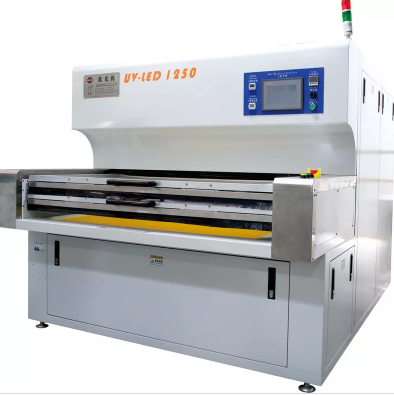
We see PCBs everywhere. They sit inside computer motherboards, phone chargers, washing machines, and even keyboards. Any device that needs organized electrical connections relies on them to keep the circuit working smoothly. Welcome to check out our company's supporting products, such as PCB Grinding Brushing Machine, High-Performance UV LED Exposure Machine for PCBs.
What Is SMT (Surface Mount Technology)?
SMT is a way to mount tiny electronic parts directly onto the surface of a circuit board. Instead of using holes to hold the parts in place, it places them right on top. This method has changed how we build modern electronics. It lets everything be smaller, faster, and cleaner.
Definition
Surface mount technology skips the need for drilling. It uses flat pads on the PCB where the parts sit. These parts, known as SMDs, are often much smaller than traditional ones. That's why SMT works so well when space is tight.
How SMT works
The process starts by spreading solder paste on the board, right where each component will go. Machines called pick-and-place arms then grab the tiny parts and set them down fast and accurately. Once everything is in place, the board runs through a reflow oven. The heat melts the solder so it sticks and connects all the parts. After that, the board gets checked by an AOI machine. It scans for missing pieces or mistakes like crooked parts or cold solder joints.
Here's a quick look at the main steps:
| Step | What Happens |
| 1 | Solder paste printed on board |
| 2 | Components placed by machines |
| 3 | Reflow oven melts solder |
| 4 | AOI checks for defects |
Advantages
SMT allows us to design sleek devices by fitting more into smaller spaces. Because machines do most of the work, production gets faster and more consistent. Products also turn out lighter, which is perfect for portable gadgets. Another big plus is that both sides of the PCB can hold parts, doubling what fits on a single board.
Applications
You'll find SMT-based PCBs in nearly everything we use today. Smartphones use it to pack more power into slim designs. Laptops rely on it to reduce heat and save space. Even smartwatches, hearing aids, and car sensors depend on it to perform well in tight spots.
What Is DIP (Dual In-line Package / Through-Hole Technology)?
DIP is an older but still useful method for mounting components. It involves pushing component pins through pre-drilled holes in a PCB and soldering them on the other side. These pins come in two straight rows, like legs, which makes them easy to align and secure. You'll find this method in many traditional or durable products where reliability matters more than size.
Definition
This type of packaging connects electronic components to a circuit board using through-hole connections. The parts sit on one side while the pins go through the board and get soldered underneath.
Process
There are two main ways to insert DIP components. One is manual, done by hand at a workbench. The other uses automated plug-in machines, often in large factories. After insertion, soldering is done using a wave soldering machine, or by hand when the component shape or material makes automation hard.
Applications
DIP is commonly used for bigger, heavier parts that don't work well with surface mounting. You might see it in power supplies, transformers, or audio jacks. It's also popular in school kits and prototype boards because parts are easier to change or test.
Advantages
This method creates stronger physical bonds, making the parts harder to shake loose. That's helpful when a product needs to survive bumps, vibration, or rough handling. It also makes removing or replacing parts easier during repairs or upgrades.
Disadvantages
DIP takes more time because people often do it by hand. It also uses more board space since holes are needed for each pin. That means you can't fit as many components as you could using smaller surface-mount parts. In high-volume production, that lower efficiency can really add up.
What Is PCBA (Printed Circuit Board Assembly)?
PCBA is what you get after a bare PCB goes through the full assembly process. It means all the electronic components have been added, either through SMT, DIP, or both. Once that's done, the board is no longer just a carrier — it becomes the actual working part of a device. You can think of it as the difference between an empty house and one that's fully furnished and ready to live in.
Definition
A PCBA is a complete electronic board where parts like chips, capacitors, and resistors are already mounted. It's what engineers install into phones, computers, and control panels to make them actually work.
Process
First, the blank PCB is prepped. Then, components are placed using surface mount machines or inserted by hand using the through-hole method. After that, soldering locks everything in place. The board is then checked by machines or workers for problems. Some companies run tests to make sure each PCBA works before it leaves the factory.
Importance
This step is where the magic happens. A PCBA brings everything together and turns a passive board into an active system. Without it, none of your electronics could do anything. That's why it's a key stage in making high-quality tech products.
Applications
You'll find PCBA in nearly every industry. Consumer electronics like TVs and game consoles rely on it. It's also in cars, planes, and factory machines. Anywhere there's a smart device or digital function, there's a PCBA doing the hard work inside.
PCB vs. PCBA: What's the Difference?
People often confuse PCB and PCBA, but they're not the same thing. A PCB is just the starting point. It's the plain board without any electronic parts on it. You'll see lines and pads on the surface, which are made from copper and act like electrical roads. But alone, the board can't do anything.
PCB
A PCB is like a blueprint printed on an insulated board. It holds no components, no power, no function. It's what everything else is built on. Different boards can have one layer or many, and they can be flexible or rigid depending on where they'll be used.
PCBA
Now take that same board and add resistors, chips, and connectors using machines or by hand. Then solder everything in place and test it. That's a PCBA. It's ready to go inside a phone, a speaker, or a smart device and actually do something.
Analogy
Think of a PCB like the frame of a car. It has shape and structure but no engine, no seats, no wheels. It doesn't move. A PCBA is that same frame after the engine's been dropped in, the seats are installed, and the car can start. One is raw. The other is ready to roll.
SMT vs. DIP: Which Process to Use?
When it comes to placing components on a board, both SMT and DIP have their place. It really depends on the size, purpose, and design of the product. Some devices need to be tiny and fast to make. Others require strength, larger parts, or easy repair. That's where choosing the right method matters.
SMT best for
SMT works great when things need to be small. It's often used in phones, laptops, and wearables where space is tight. The parts are tiny and get placed by machines. This allows high-speed, high-volume production lines to run quickly with fewer workers. You get dense, light boards that are ideal for modern tech.
DIP best for
DIP still shines where components are big or the board faces rough use. Products like power supplies or industrial machines benefit from DIP because the soldered pins give strong support. It also helps when parts may need to be swapped out or tested during prototyping.
Larger or heavy-duty components
Mechanical strength and durability
Prototyping or educational use
Easy repair or replacement
Hybrid Use
Some boards mix both methods. A product may use SMT for resistors and chips but keep connectors or transformers as DIP. This combination gives designers more freedom. It balances strength and space, automation and manual work, all in one layout.
Soldering in PCB and PCBA
Soldering is what makes the connection real. It bonds electronic components to a circuit board using a special metal called solder. Without this step, parts would just sit there loosely, unable to do anything. The solder melts and flows into the tiny spaces between a component and the copper pad, locking them together both mechanically and electrically.
Definition
This process joins metal leads or pins to a board by melting solder. When it cools, it forms a solid link. It's used throughout PCB and PCBA production, no matter the size or type of board.
Types
There's more than one way to solder, and the method depends on how components are placed.
Reflow soldering: This is common in SMT. First, solder paste is printed onto pads. Then parts are placed by machine and the whole board goes through a heated oven where the paste melts and bonds everything in place.
Wave soldering: Used mainly for DIP parts. The board passes over a flowing wave of molten solder. It hits the exposed metal on the bottom and sticks only where it should.
Manual soldering: Some parts just don't work well with machines. Odd shapes, tricky angles, or sensitive materials often need a human touch. A skilled worker uses a hot iron to apply the solder one joint at a time.
Tools
Rework and fine-pitch jobs call for precision. That's where advanced soldering stations come in. They offer stable heat, fast temperature recovery, and fine control. Whether fixing a tiny capacitor or touching up a misaligned chip, these tools give technicians the accuracy they need without damaging the board.
Conclusion
PCB, SMT, DIP, and PCBA each serve a unique role in electronics manufacturing. A PCB is the blank foundation. SMT and DIP are two different ways to mount components, depending on size and function. Together, they turn a PCB into a PCBA — a fully working circuit board. Knowing when to use each method helps engineers and buyers make smart decisions. And with tools like the PCB Grinding Brushing Machine, manufacturers can prepare boards more precisely for better performance and long-term reliability.
FAQs
Q1: What's the difference between a PCB and a PCBA?
A PCB is just the empty circuit board, while a PCBA has all the components mounted and soldered.
Q2: When should I use SMT instead of DIP?
Use SMT for small, compact designs that require fast, automated production. DIP is better for large or rugged parts.
Q3: Can SMT and DIP be used on the same board?
Yes, many PCBA designs use both methods depending on the type of components.
Q4: What does the PCB Grinding Brushing Machine do?
It prepares the PCB surface by cleaning and smoothing it, helping ensure strong layer bonding and assembly reliability.
Q5: Is manual soldering still used in modern PCBA lines?
Yes, for odd-shaped or sensitive parts that can't go through reflow or wave soldering, manual soldering is essential.


